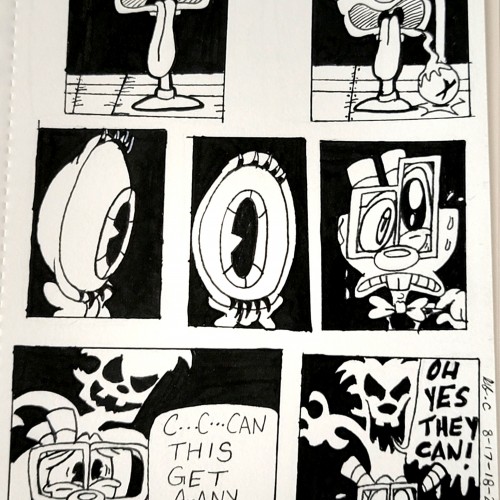
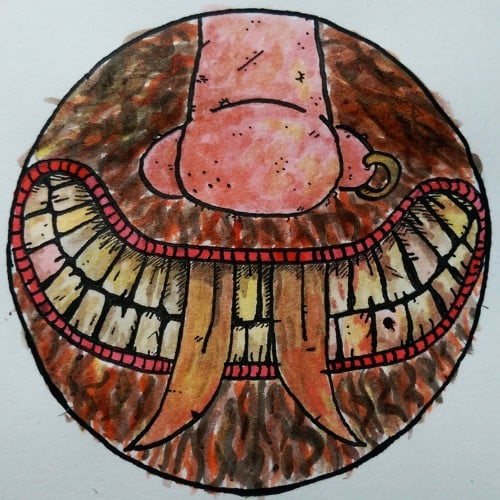
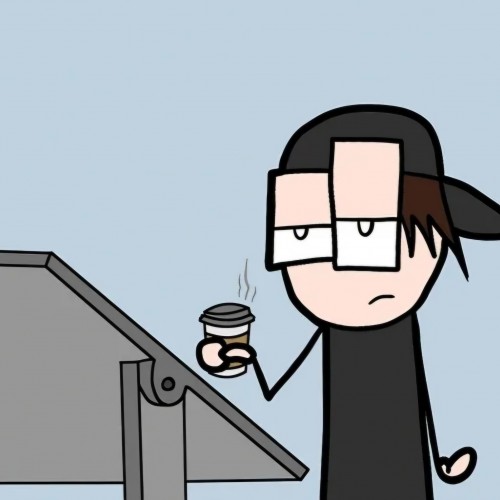
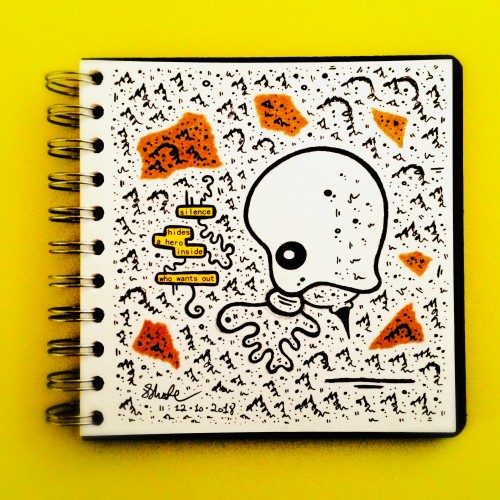
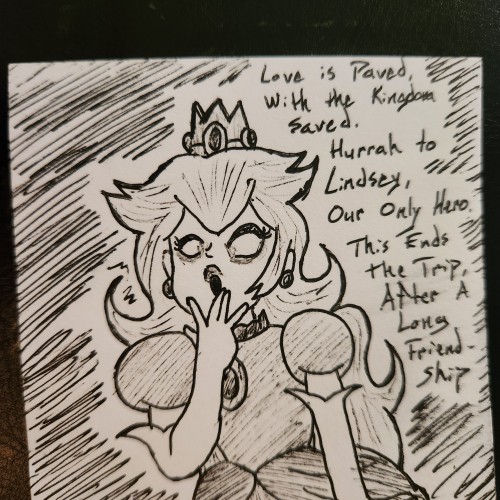
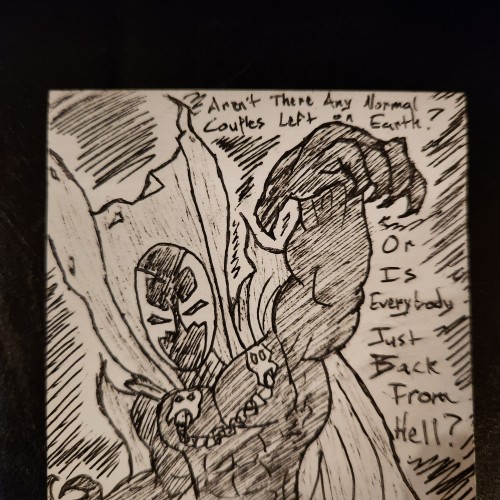
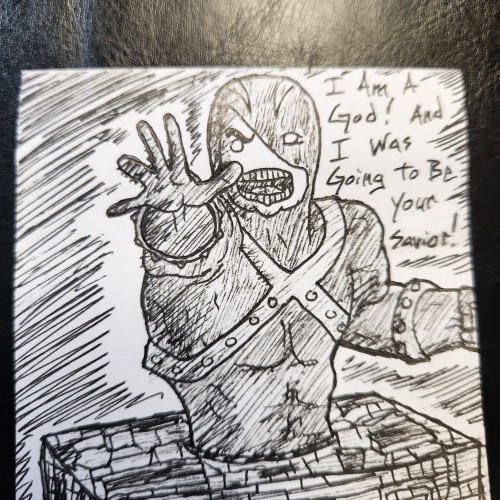
Take note that the "chalice" that had the eye pop out isn't Ms.Chalice. And the giant eyeball's Mugman, cause it freaked him out badly. And is from this episode of "The Shnookums & Meat Funny Cartoon Show", "Night of the Living Shnookums." It can be found here. https://youtu.be/cf1D-cf113c?si=pBIDBpFUrA4ksSuF&t=228
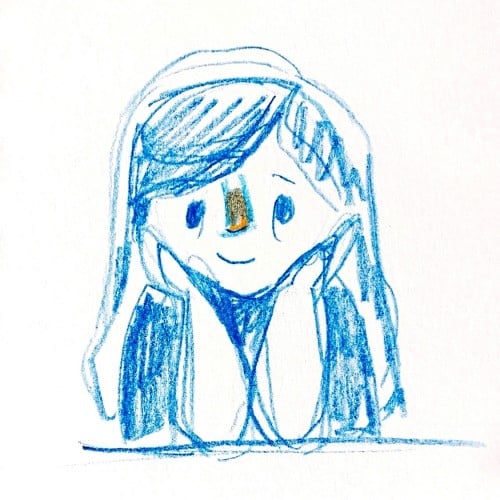
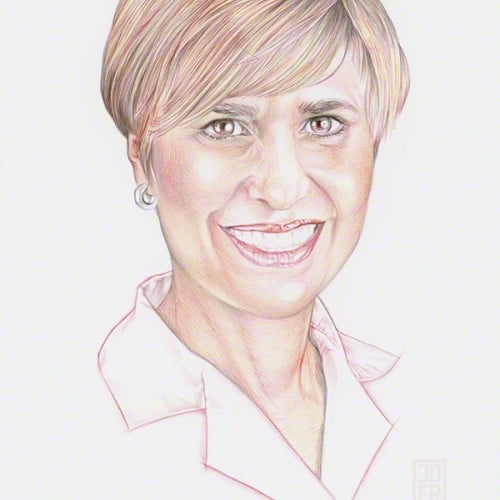
Meet Dr. Lorna Breen. She was in the trenches of the front line inside the New York hot zone during the first wave of the pandemic. She saw the massive influx of patients she knew she could not save (29,000 deaths reported in April, 2020). She contracted the virus and after recuperating, went straight back to work. A week and a half later, the hospital sent her home. Her family intervened to bring her back home to Charlottesville, Virginia. During her visit with her family, she seemed “detached.” She passed away April 26, 2020 at the UVA University Hospital in Charlottesville from self-inflicted wounds.
"She tried to do her job, and it killed her… Make sure she’s praised as a hero. Because she was, she’s a casualty just as much as anyone else who has died."
—Dr. Philip C. Breen, Father
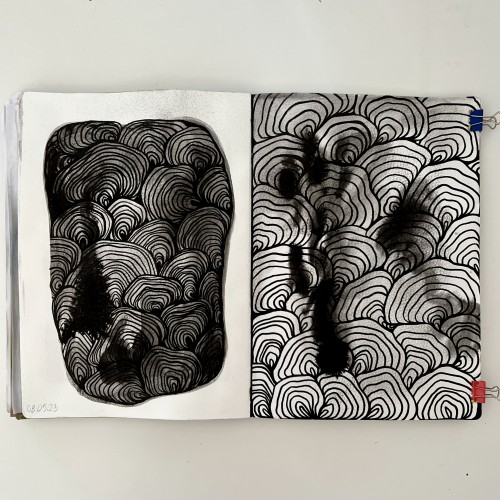
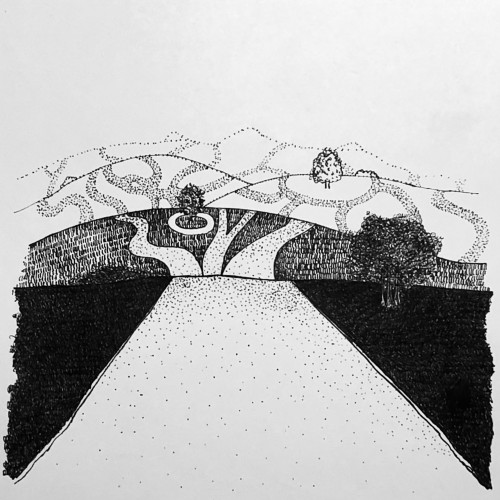
Daizies or Snowflakes it's all in your perspective, pen and india ink on paper. am pretty engrossed in this graphic, black and white nature inspired series i began a few weeks ago. There is something very soothing about doing these that leads me to believe this series is far from finished!
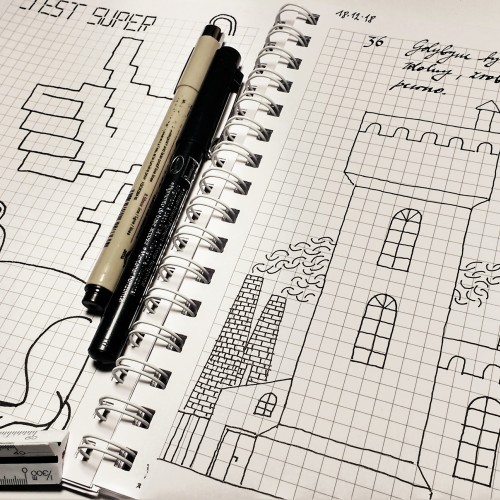
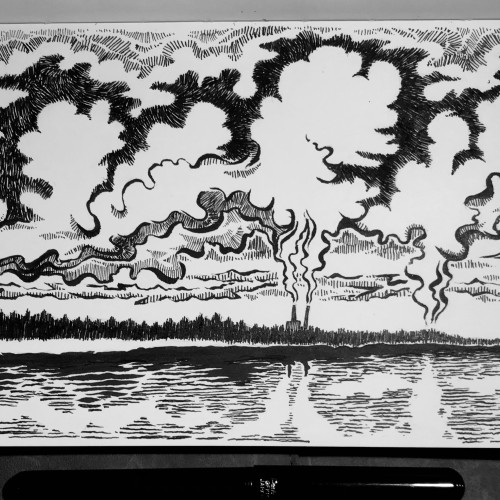
I start this just doing random doodling at upper black part and because it looks quite nice i start to search reference from my phone. Found one shot month ago at beach with dramatic clouds
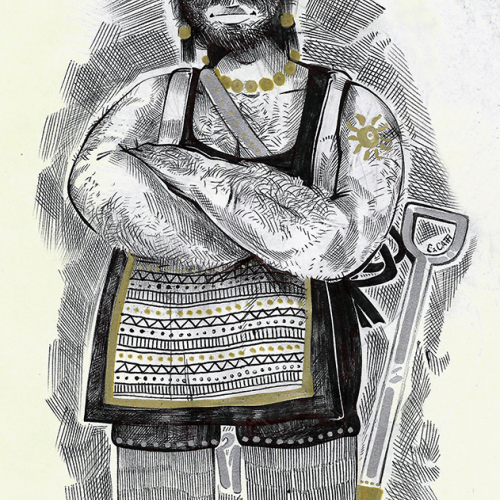
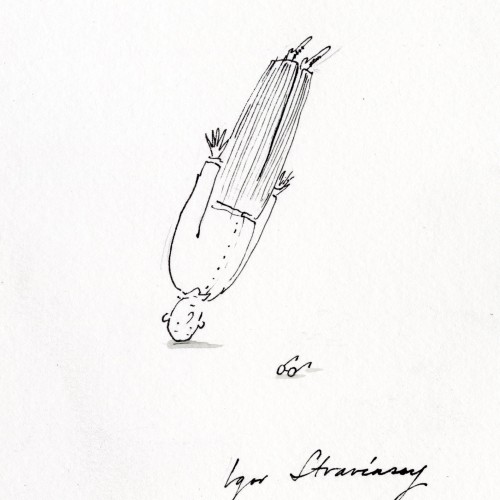
Igor Stravinsky (1882–1971)
“I get up at about eight, do physical exercises, then work without a break from nine till one,” Stravinsky told an interviewer in 1924. Generally, three hours of composition were the most he could manage in a day, although he would do less demanding tasks—writing letters, copying scores, practicing the piano—in the afternoon.
Unless he was touring, Stravinsky worked on his compositions daily, with or without inspiration, he said. He required solitude for the task, and always closed the windows of his studio before he began: “I have never been able to compose unless sure that no one could hear me.” If he felt blocked, the composer might execute a brief headstand, which, he said, “rests the head and clears the brain.”
- From Daily Rituals: How Artists Work by Mason Currey